

Too many exceptions for a template.
Shape an internal tool around handoffs, decisions, and the details that generic software makes awkward.

We design and build software, automation, and interactive systems for organizations whose workflows, users, or operating conditions do not fit an off-the-shelf product.
The starting point is a job that needs to work better for real people—not a preset technology package.
Shape an internal tool around handoffs, decisions, and the details that generic software makes awkward.
Connect data, sensing, and response logic while accounting for the constraints of the setting.
Make training or public-facing experiences easier to explore, understand, and use.
We work where software, physical systems, and human needs intersect. Each engagement starts with the problem and the conditions a solution must survive.
Purpose-built applications and tools that fit the way people actually work.
Systems that connect workflows, reduce repetitive work, and improve visibility.
Carefully scoped intelligence for interactive and operational use cases.
Early-stage technical concepts shaped for testing in real environments.
Explore the work behind each project. ColonyShield opens as a separate browser app; EKG Trainer is an educational beta with a separate browser app, while ZooBox and Home Advisor offer curated website previews.
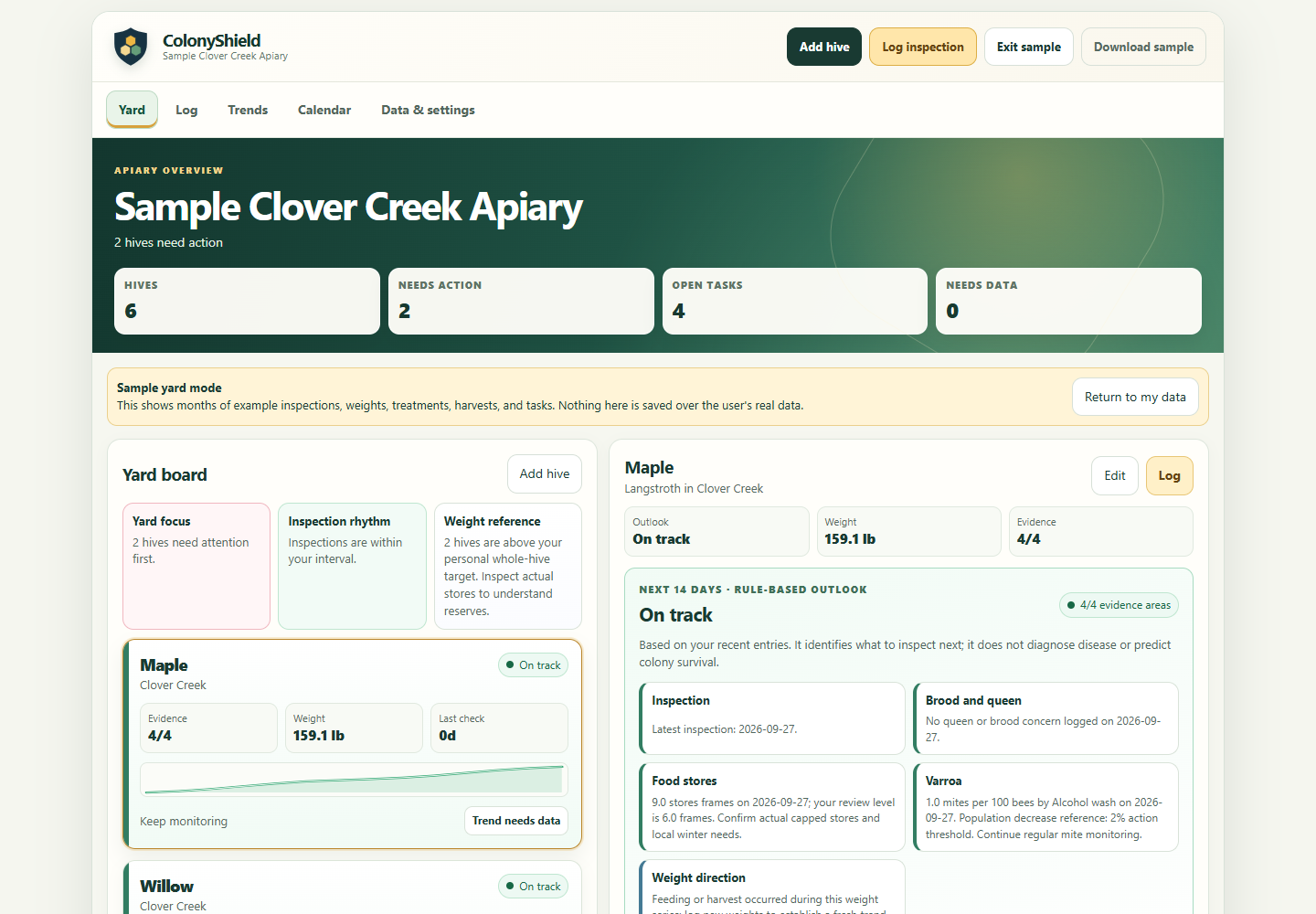

A standalone hive-record app for manual observations, inspections, trends, and a cautious action outlook. The full app opens from its project page.

Frame from “Red panda eating bamboo at Symbio Wildlife Park” by Grendelkhan, Wikimedia Commons, CC BY 4.0; cropped from a transcoded, muted clip. No endorsement implied.
A visitor-led learning experience with eight Red Panda topics, authored answers, and contextual media.
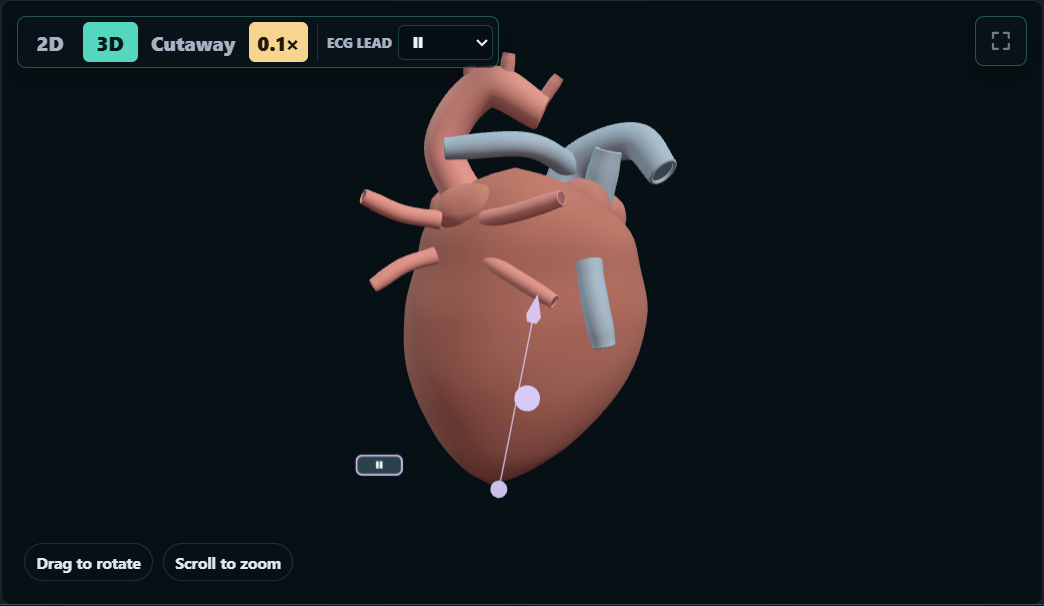
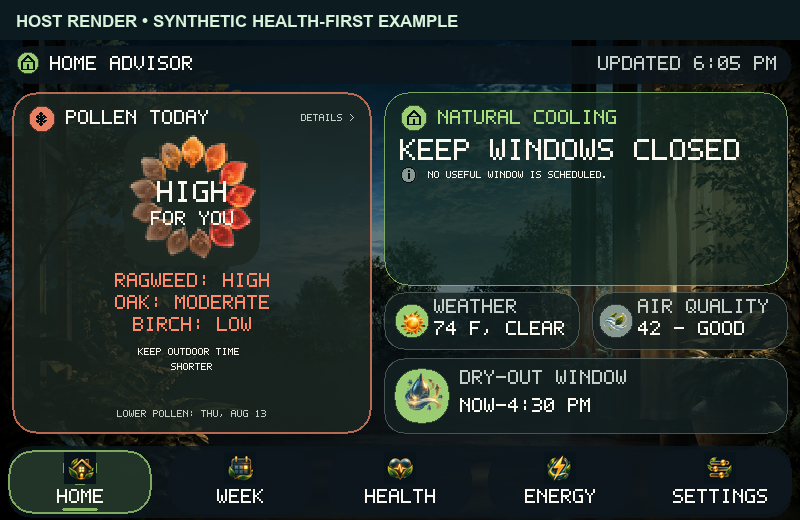
A local-first home guidance system that brings weather, air, pollen, and energy context together to explain when opening windows may—or may not—make sense.
We map the users, current workflow, and constraints first. The initial outcome is a practical decision about what to assess, prototype, or build next—not a preselected package.
Map the need, users, existing tools, and operating conditions.
Define a first build and the questions it needs to answer.
Make the important assumptions testable in a working slice.
Use feedback to shape the next version or implementation path.
“The best technical solution is the one that still makes sense in the environment where it has to work.”
ZeroHour Systems — practical engineering, from the outset.
Tell us what you’re trying to accomplish and what makes it difficult.